
Blog
Ozempic vs Mounjaro: Understanding the Differences Between Semaglutide and Tirzepatide
May
Ozempic vs Mounjaro: Understanding the Differences Between Semaglutide and Tirzepatide
As weight loss and diabetes treatments continue evolving, two medications have attracted enormous attention from both healthcare professionals and patients: Ozempic® and Mounjaro®.
Many people researching modern weight management solutions often compare Ozempic vs Mounjaro to determine which medication may be better suited to their health goals. Both treatments have become extremely popular because they help improve blood sugar control, reduce appetite, and support weight loss. However, despite some similarities, these medications work differently and have important distinctions that patients should understand.
Ozempic contains semaglutide, while Mounjaro contains tirzepatide. Although both medications belong to the broader category of incretin-based therapies, they target different hormonal pathways and may produce different outcomes in terms of weight loss and glucose management.
This guide explores the key differences between Ozempic and Mounjaro, including how they work, their benefits, potential side effects, and what current research suggests about their effectiveness.
What Is Ozempic?
Ozempic® is a prescription medication that contains semaglutide. It is commonly prescribed to help adults with type 2 diabetes improve blood sugar control.
Semaglutide belongs to a class of medications known as GLP-1 receptor agonists.
Ozempic works by:
- Stimulating insulin release when blood sugar levels rise
- Reducing excess glucose production in the liver
- Slowing stomach emptying
- Increasing feelings of fullness
- Helping reduce appetite
Because of these effects, many patients also experience weight loss while using Ozempic.
What Is Mounjaro?
Mounjaro® contains tirzepatide, a newer medication that works differently from semaglutide.
Tirzepatide activates two important hormone receptors:
- GLP-1 (Glucagon-Like Peptide-1)
- GIP (Glucose-Dependent Insulinotropic Polypeptide)
This dual-action mechanism helps regulate blood sugar levels while also influencing appetite and energy balance.
Mounjaro works by:
- Increasing insulin production when needed
- Improving blood sugar control
- Reducing hunger
- Increasing fullness after meals
- Supporting long-term weight reduction
Because it targets both GLP-1 and GIP receptors, Mounjaro is often described as a dual incretin therapy.
Ozempic vs Mounjaro: Active Ingredients
One of the biggest differences between these medications is the active ingredient.
Ozempic
- Active ingredient: Semaglutide
- GLP-1 receptor agonist
Mounjaro
- Active ingredient: Tirzepatide
- Dual GIP and GLP-1 receptor agonist
While both medications influence appetite and blood sugar regulation, tirzepatide works on an additional hormonal pathway.
How Do Ozempic and Mounjaro Work?
Both medications mimic hormones involved in appetite regulation and glucose management.
Ozempic Mechanism
Semaglutide primarily works through GLP-1 receptor activation.
This helps:
- Slow digestion
- Increase satiety
- Reduce hunger
- Improve insulin response
Mounjaro Mechanism
Tirzepatide activates both GLP-1 and GIP receptors.
This may:
- Enhance appetite suppression
- Improve glucose regulation
- Increase metabolic benefits
- Support greater weight loss in some patients
Researchers believe the additional GIP activity may contribute to the stronger weight loss effects observed in some studies.
Ozempic vs Mounjaro for Weight Loss
One of the most common reasons people compare Ozempic and Mounjaro is weight management.
Both medications have shown significant weight loss potential, but several studies suggest tirzepatide may produce greater average weight reduction than semaglutide.
The SURPASS-2 trial compared tirzepatide directly with semaglutide in adults with type 2 diabetes.
Researchers found that:
- Tirzepatide produced greater weight loss
- Tirzepatide achieved larger reductions in HbA1c
- Higher tirzepatide doses produced stronger outcomes than semaglutide 1 mg
Additional analyses and real-world studies have also reported greater average weight loss with tirzepatide compared with semaglutide.
Weight Loss Results Comparison
Clinical research has shown:
Mounjaro (Tirzepatide)
Average weight loss in some studies:
- Up to approximately 22.5% of body weight at higher doses over extended treatment periods
Ozempic (Semaglutide)
Average weight loss:
- Significant weight reduction, although generally lower than the highest tirzepatide outcomes reported in comparative studies
It is important to remember that individual results vary depending on:
- Starting weight
- Lifestyle habits
- Dosage
- Treatment duration
- Medical history
Blood Sugar Control: Which Performs Better?
Both medications are highly effective for type 2 diabetes management.
However, the SURPASS-2 trial found that tirzepatide achieved greater reductions in HbA1c levels compared with semaglutide 1 mg.
This suggests that Mounjaro may provide stronger blood sugar improvements for some patients, although treatment decisions always depend on individual medical needs.
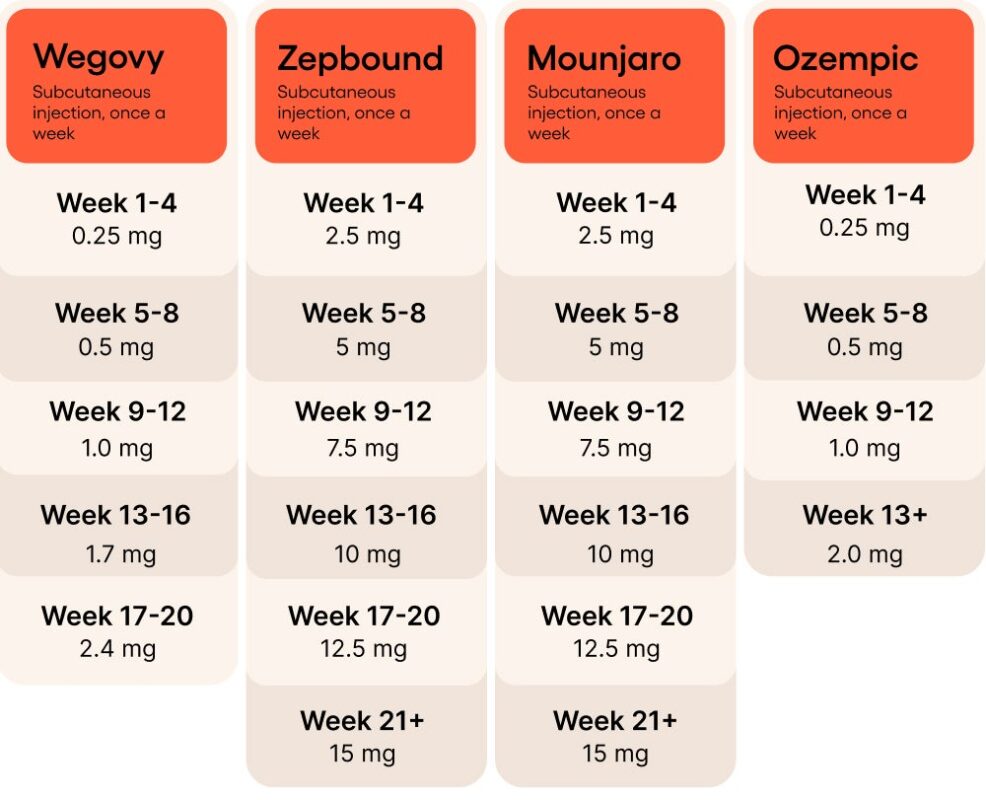
Dosing and Administration
Ozempic
- Once-weekly injection
- Prefilled injection pen
- Gradual dose escalation
Mounjaro
- Once-weekly injection
- Prefilled injection pen
- Gradual dose escalation
Both medications are designed to be administered at home using injection pens.
Common Side Effects
Both medications can cause gastrointestinal side effects, particularly during dose increases.
Common Ozempic Side Effects
- Nausea
- Vomiting
- Diarrhea
- Constipation
- Stomach discomfort
Common Mounjaro Side Effects
- Nausea
- Vomiting
- Diarrhea
- Constipation
- Reduced appetite
- Bloating
Most side effects tend to improve as the body adjusts to treatment.
Which Medication May Be Better for Weight Loss?
Current evidence suggests that tirzepatide may produce greater average weight reduction than semaglutide in many patients. Several studies and analyses have consistently reported stronger weight loss outcomes with tirzepatide treatment.
However, this does not mean Mounjaro is automatically the best choice for every individual.
Factors that influence treatment selection include:
- Health history
- Existing medical conditions
- Insurance coverage
- Treatment goals
- Medication tolerance
- Healthcare provider recommendations
Ozempic vs Mounjaro Cost Considerations
Cost is often a major factor when comparing treatment options.
Pricing may vary depending on:
- Country
- Pharmacy
- Insurance coverage
- Dose strength
- Availability
Patients frequently compare treatment affordability when researching long-term weight management solutions.
Can You Switch From Ozempic to Mounjaro?
Some patients transition from semaglutide-based treatment to tirzepatide under medical supervision.
Reasons may include:
- Seeking additional weight loss support
- Improved blood sugar management
- Treatment preference
- Medication availability
Any treatment change should always be guided by a qualified healthcare professional.
Frequently Asked Questions
Is Mounjaro stronger than Ozempic?
Clinical studies have shown greater average weight loss and HbA1c reductions with tirzepatide compared with semaglutide 1 mg in some patient populations.
Do Ozempic and Mounjaro work the same way?
No. Ozempic targets GLP-1 receptors, while Mounjaro targets both GLP-1 and GIP receptors.
Which medication helps with more weight loss?
Research suggests tirzepatide may produce greater average weight loss than semaglutide in many patients.
Are both medications taken weekly?
Yes. Both Ozempic and Mounjaro are generally administered once per week using injection pens.
Final Thoughts
The discussion around Ozempic vs Mounjaro continues growing as more patients explore modern options for weight management and type 2 diabetes treatment.
Both medications offer important benefits and have helped many individuals improve blood sugar control, reduce appetite, and achieve meaningful weight loss. However, Mounjaro’s dual-action mechanism targeting both GLP-1 and GIP receptors has generated significant interest because of its strong clinical performance in weight reduction and glucose management studies.
Ultimately, the most appropriate treatment depends on individual health goals, medical history, and professional medical guidance.
